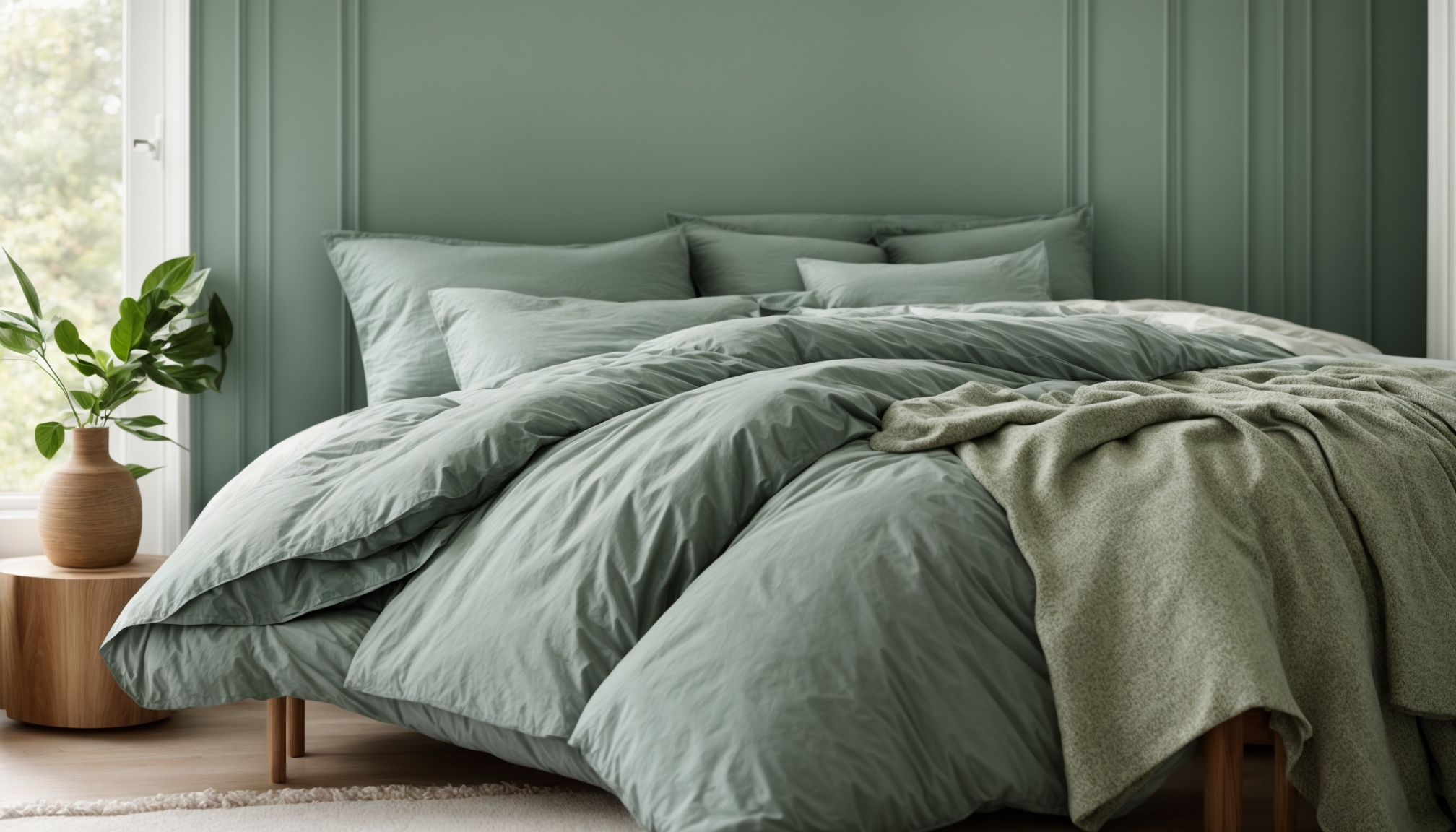
[SITE_NAME] – The choice of colors in your bedroom plays a crucial role as bedroom colors influence sleep relaxation, directly affecting your ability to unwind and enjoy restful nights. Understanding the psychology behind colors can help create a calming environment that promotes better sleep quality and relaxation.
Colors evoke specific emotional responses that affect mood and physiological state. When choosing bedroom colors influence sleep relaxation, hues that promote calmness and reduce stress are ideal. Cool colors like soft blues, gentle greens, and muted purples often foster a serene atmosphere conducive to falling asleep faster and experiencing deeper rest.
While cool colors generally aid relaxation, warm tones such as soft peach, light pink, or creamy beige can also create cozy feelings without overstimulating the senses. However, overly bright or intense warm colors like red or bright orange might disrupt sleep patterns due to their energizing effects. Therefore, when considering bedroom colors influence sleep relaxation, balance and subtlety are key.
Incorporating bedroom colors influence sleep relaxation goes beyond wall paint. Use bedding, curtains, and accessories in calming shades to reinforce a restful vibe. Matte finishes tend to be less reflective and more soothing than glossy ones. Avoid high-contrast patterns that can distract or energize the mind before bedtime.
Individual preferences and cultural associations also shape how bedroom colors influence sleep relaxation. Some may find lavender relaxing, while others prefer light grey or soft brown. Experimenting with samples and observing your reaction can help pinpoint the best palette. Ultimately, a bedroom that harmonizes with your personality supports long-term sleep health and mental well-being.
Choosing the right hues confirms how bedroom colors influence sleep relaxation, proving to be a simple yet powerful step toward enhancing your nighttime routine and overall restfulness.