Elm Sleep – Better Sleep Tips and Sleep Health Solutions – Homeowners increasingly rely on a best mattress size guide to match bed dimensions with room layouts, lifestyle needs, and long-term comfort.
Choosing a mattress is not only about softness or firmness. The wrong size can crowd your room, limit storage, and even affect sleep quality. A clear best mattress size guide helps you balance comfort, mobility, and aesthetics so the bed supports your routine instead of disrupting it.
When you understand standard dimensions and how they interact with floor space, you avoid costly mistakes. A mattress that overwhelms a small room can make cleaning difficult, while a bed that is too small may cause restless sleep for couples or tall sleepers.
The starting point of any best mattress size guide is knowing the common sizes available in most markets. Typical options include Twin, Twin XL, Full (or Double), Queen, King, and California King. Each size targets different user needs.
Twin mattresses usually work best in children’s rooms, dorms, or compact guest spaces. Twin XL suits taller sleepers who still need a narrow footprint. Full size often fits single adults who want more room to stretch out, while Queen has become the default choice for most couples.
King and California King fit larger bedrooms and offer more personal space per sleeper. However, they demand careful planning so you can still open wardrobe doors, use nightstands, and move around the bed without feeling cramped.
A practical best mattress size guide always begins with a tape measure. Start by noting the length and width of your room, then sketch a simple floor plan. Mark windows, doors, built-in wardrobes, and power outlets. These details influence where the bed can realistically sit.
Leave at least 60–90 centimeters of walking space around the sides of the bed where possible. This clearance supports easy movement, cleaning, and access to storage. In narrow rooms, prioritize one open side instead of forcing the bed against three walls.
Also consider ceiling height and window placement. A very tall headboard under a low window may block light and make the room feel heavy. Meanwhile, placing a bed directly in front of a door can interrupt natural traffic flow.
Any best mattress size guide must account for how many people use the bed and how they sleep. Single adults often feel comfortable on a Full or Queen, while couples usually prefer Queen or King. Active sleepers who move a lot at night may need wider options to avoid disturbing a partner.
Taller individuals often benefit from longer mattresses, such as Twin XL or California King. If one partner is tall and the other is not, a standard Queen can still work, but you may want to maximize legroom by avoiding bulky footboards.
Pets and children also matter. If your dog or child frequently shares the bed, additional width helps everyone rest better. However, this should not come at the expense of basic circulation space in a small bedroom.
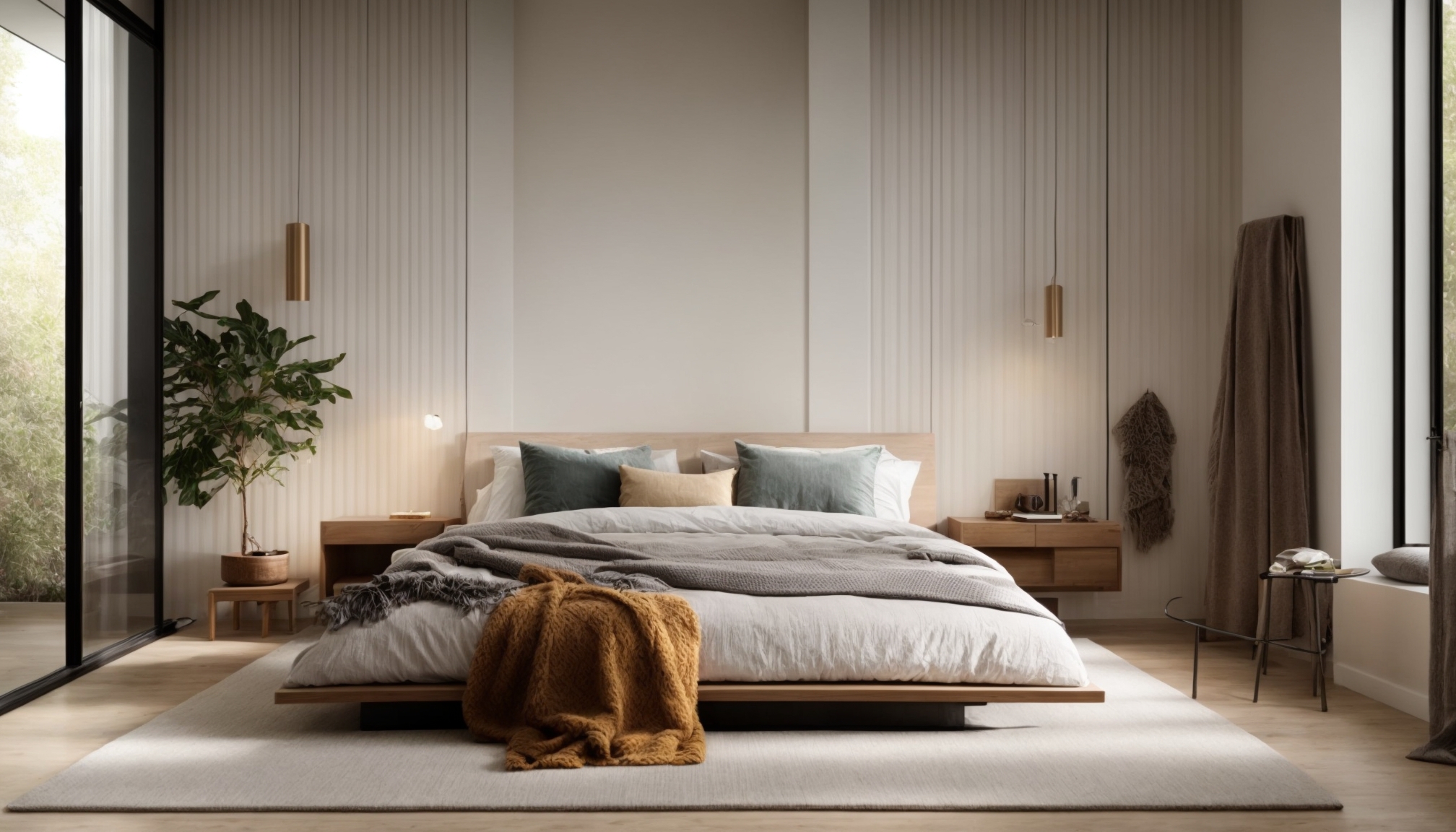
Following a best mattress size guide also means thinking about design harmony. Your bed should anchor the room without dominating it. An oversized mattress on a massive frame can make even a medium room feel cramped and cluttered.
Consider the location of wardrobes, desks, and dressers. You need enough space to open drawers fully and sit comfortably at a desk, if you have one. Under-bed storage solutions can offset a smaller footprint, but only if you can access drawers without bumping into walls.
Bedding and accessories play a role as well. Oversized duvets can visually enlarge the bed, while sleek frames and lighter fabrics make the room feel more open. Choose nightstands that scale with the mattress size so the setup looks intentional, not squeezed in.
Read More: Comprehensive mattress size and dimension overview
A thoughtful best mattress size guide does not ignore budget and long-term plans. Larger mattresses typically cost more, not only for the bed itself but also for sheets, toppers, and frames. Replacing or moving a very large mattress can also be harder and more expensive.
If you plan to relocate soon, consider how easy it will be to fit a large bed into different floor plans. Queen size often offers the best balance between comfort and flexibility, especially for apartments or shared housing.
Guest rooms and multipurpose spaces benefit from versatile choices. In a compact room that doubles as a home office, a smaller mattress or a daybed may keep the space functional without sacrificing comfort for occasional visitors.
To make a confident choice, follow a structured approach. First, measure the room and sketch a layout. Second, list who will use the bed and note their height, sleeping habits, and whether pets or children join them. Third, match these needs with sizes recommended in any reliable best mattress size guide.
Fourth, think about design, storage, and existing furniture. Visualize walking paths, drawer clearance, and natural light. Finally, balance comfort with budget and future flexibility. When you integrate all these factors, your best mattress size guide becomes a practical checklist, not just theory.
By taking the time to evaluate space, sleepers, and style, you reduce the risk of regret and costly returns. A carefully chosen bed supports healthy sleep, keeps your room easy to navigate, and enhances the overall look of your home. With a clear best mattress size guide in mind, every new bedroom or upgrade becomes easier to plan and more satisfying to live in.