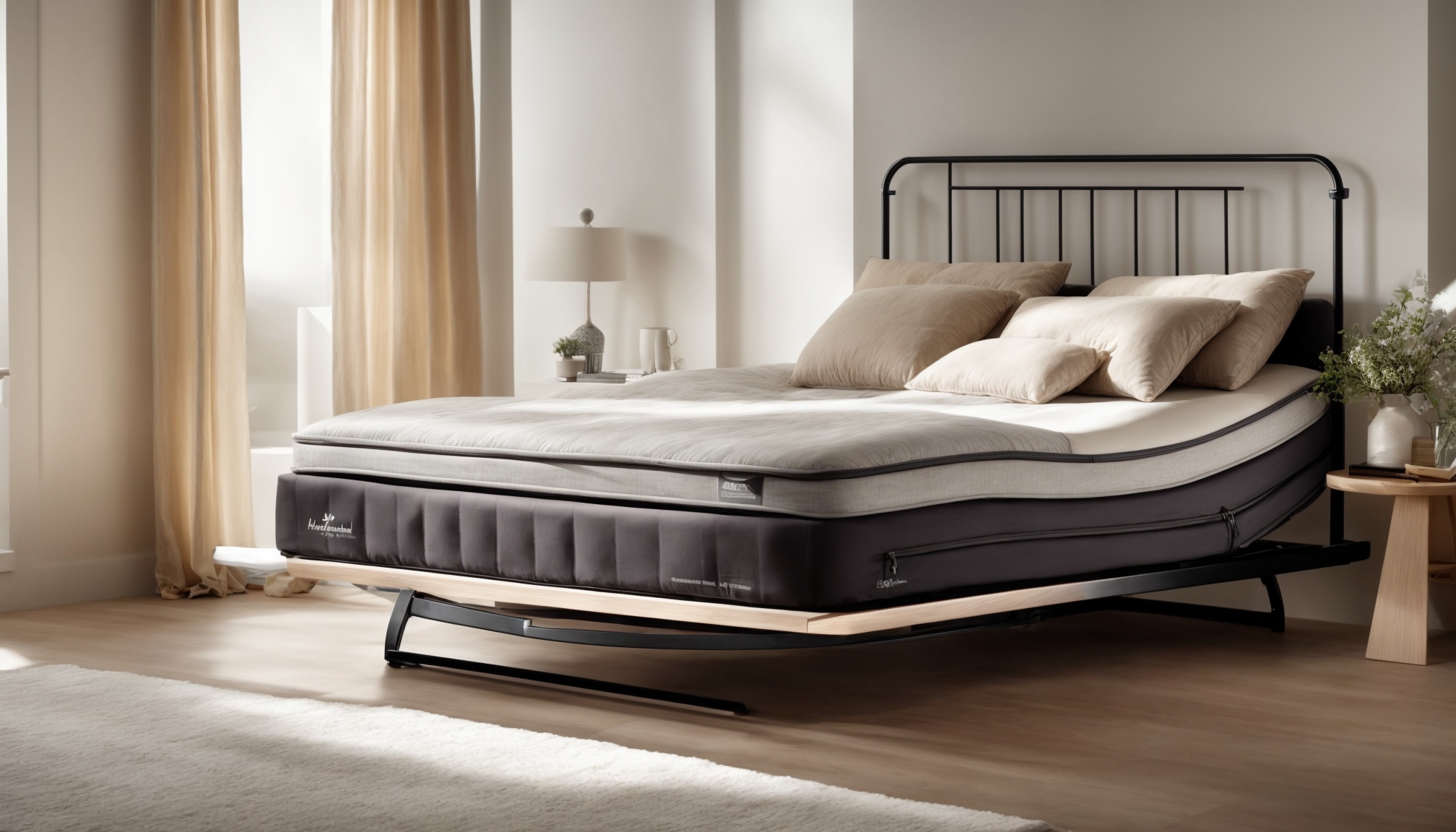
Elm Sleep – Better Sleep Tips and Sleep Health Solutions – Adjustable beds personalized comfort by allowing sleepers to fine-tune head and foot positions, helping reduce pain, improve breathing, and create a more supportive rest environment for different body types and lifestyles.
Many people struggle to find a truly comfortable sleep position on flat mattresses. Adjustable beds personalized comfort by letting users elevate the head or feet to match their natural posture. This flexibility gives more control over pressure points and overall spinal alignment.
By slightly raising the head, you can reduce strain on the neck and shoulders. Meanwhile, elevating the legs eases pressure in the lower back and hips. These small adjustments often make a big difference, especially for people who spend long hours sitting or standing during the day.
Modern adjustable frames also come in various sizes and price ranges. This means households can choose a model that fits both their bedroom layout and budget, without sacrificing the key benefits of tailored positioning.
Back pain is one of the most common reasons people explore adjustable options. A flat bed can force the spine into an unnatural curve, especially for side and back sleepers. With an adjustable frame, you can slightly bend the knees and raise the torso, encouraging a more neutral spinal posture.
This position may help decompress the lower spine and relieve tension in the lumbar region. People with arthritis or joint stiffness also benefit when they can shift angles quickly, without piling up multiple pillows that move or collapse during the night.
In addition, some users find that adjustable beds personalized comfort by allowing gentle elevation changes throughout the night. Small adjustments can ease discomfort after exercise, long commutes, or physically demanding work.
Sleeping completely flat can worsen snoring and certain breathing issues. A slight head elevation opens airways, which can reduce vibration in the throat and help partners rest more peacefully. Health professionals often suggest this position for mild snoring and congestion.
Elevation also plays a role in digestion. After a late meal, lying flat may trigger discomfort and burning sensations. Raising the upper body above the stomach level can decrease that risk and promote more comfortable rest.
For people managing breathing challenges or reflux under medical guidance, adjustable beds personalized comfort by making recommended angles easier to maintain all night long, rather than relying on unstable pillow stacks.
Baca Juga: Comprehensive guide to choosing and using adjustable beds
Adjustable bed frames are not only useful during full-night sleep. Many people now read, stream shows, or work on laptops from bed. Proper back and neck support is essential in these situations to prevent long-term strain.
A gentle recline with slightly raised knees distributes body weight more evenly. This position reduces the tendency to slouch and hunch over screens. As a result, adjustable beds personalized comfort for both relaxation and light productivity.
Couples with split king or dual bases can select different angles on each side. One partner can sit upright to watch television, while the other lies nearly flat. This flexibility helps households with different routines share the same sleep space more harmoniously.
As people age, getting in and out of bed can become more difficult. Adjustable frames help by raising the head section, allowing users to shift into a seated position with less effort. This extra support can lower the risk of falls or sudden twisting motions.
Caregivers also benefit when a bed can change height and angle. It becomes easier to assist with repositioning, reading, or meals, while maintaining comfort and dignity for the person receiving care.
In many situations, adjustable beds personalized comfort so effectively that they bridge the gap between hospital-style functionality and a familiar home bedroom atmosphere, which can be reassuring for families.
Different models offer various features, and choosing the right combination is important. Quiet motors, reliable remote controls, and preset positions make everyday use simple. Some frames store favorite angles, allowing users to return to their ideal setting with a single button.
Additional features such as under-bed lighting, USB ports, and massage modes can expand convenience. However, the core value remains the ability to adjust head and foot sections quickly and smoothly.
Regardless of extra options, adjustable beds personalized comfort most when paired with a compatible mattress that bends easily and provides consistent support. Hybrid, latex, and foam designs often work well for this purpose.
Before buying, it helps to measure the existing bed frame, headboard, and room clearance. Some bases fit inside traditional frames, while others replace them entirely. Checking weight capacity is also essential, especially for couples or users with larger body sizes.
Warranty coverage, motor durability, and return policies matter for long-term satisfaction. Reading customer reviews and independent evaluations can clarify how different models perform in real homes.
Adjustable beds personalized comfort over many years if maintained properly. Keeping moving parts free of dust, following manufacturer instructions, and avoiding overloading the frame will help preserve smooth operation and quiet performance.
A supportive sleep surface works best when combined with healthy habits. Regular sleep schedules, a dark and quiet room, and limited screen exposure before bed all contribute to deeper rest.
When these routines come together with the right sleep position, adjustable beds personalized comfort and help many people fall asleep faster, wake less often, and feel more refreshed in the morning.
By aligning the body more naturally and easing common discomforts, adjustable beds personalized comfort for a wide range of users, from young professionals to seniors, turning the bedroom into a space truly designed for rest and recovery.